PP and PE welding rods
Our PP and PE welding rods are used where the parent plastic needs a proper material match for sound plastic repairs and fabrication. We help workshops, fabricators and DIY users choose the right rod profile for tanks, crates, pipes and chemical containers.
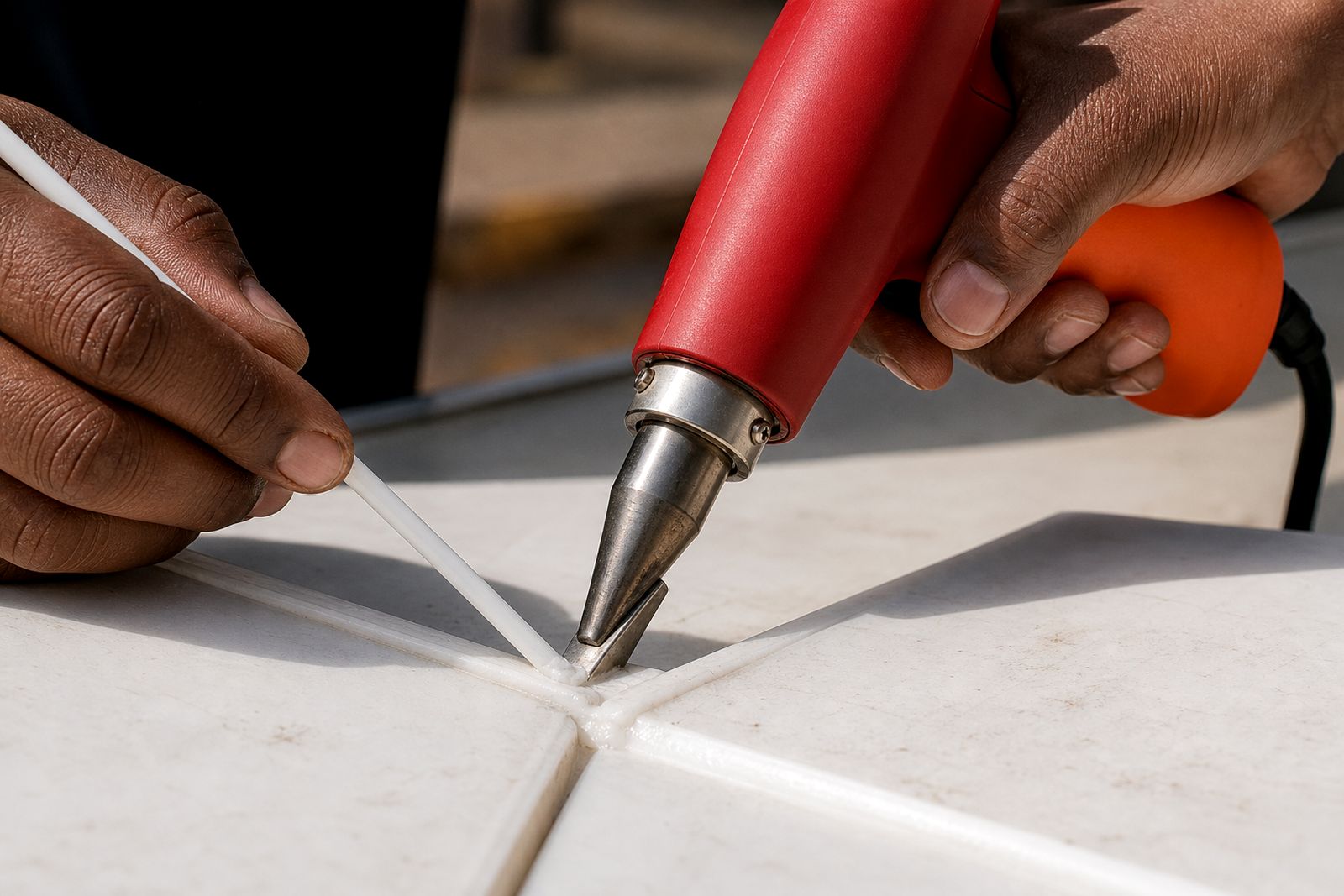
PP and PE rods for matched plastic welding
Polypropylene and polyethylene rods are used when the part being repaired or fabricated is made from the same plastic family. That match matters. A neat weld on the wrong rod can still crack, peel or leak once the item goes back into service, especially on tanks, bins and pipe sections that flex or carry weight.
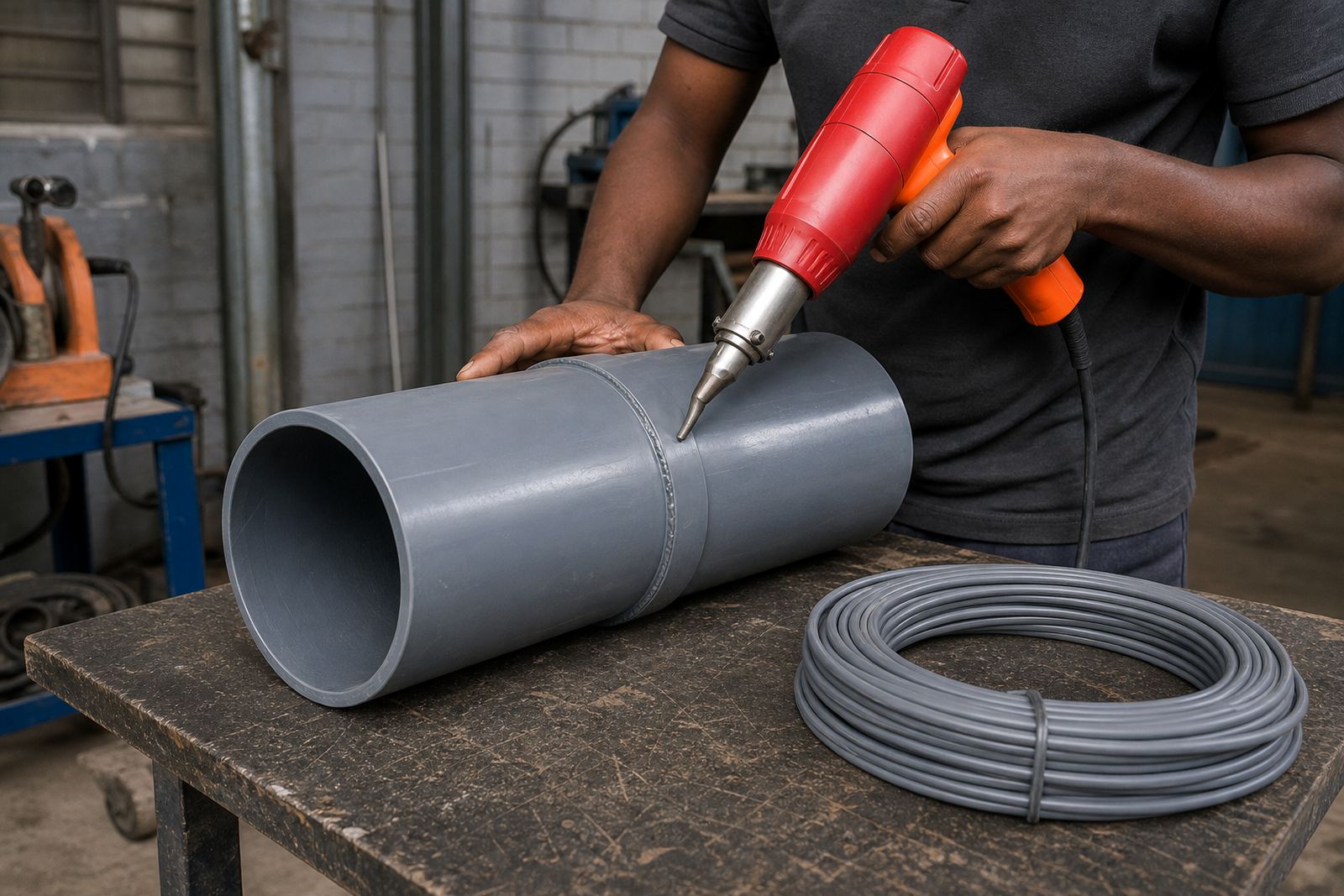
At our Germiston base we keep common PP and PE rod options for workshop use, including round and triangular profiles. These rods are chosen for jobs such as cracked lids, worn corners on crates, split tank seams, guards, liners and fabricated sections where the weld needs to bond to the parent material rather than just fill a gap.
- PP rods for polypropylene parts and fabricated PP items
- PE and HDPE rods for polyethylene and HDPE components
- Round profiles for general filling and build-up work
- Triangular profiles for groove preparation and seam welding
Profiles, sizes and practical limits
The right profile depends on the joint, the groove you cut and the amount of filler the weld line needs. Round rod is often selected for general repairs where the operator is feeding by hand or using a speed nozzle matched to the rod diameter. Triangular rod suits prepared V-grooves and can sit neatly into a seam with less trimming after welding.
Working limits are mostly about material match and service conditions. PP rod should go onto PP, and PE or HDPE rod should go onto PE family plastics. Rod choice does not correct a badly contaminated surface, poor joint prep or a part that has gone chalky from age and chemical attack. If a container wall has gone brittle across a large area, the weld may hold locally but the surrounding plastic can still fail.
- Common profiles: round and triangular
- Typical use: hand-fed hot-air welding and speed welding
- Best result: clean parent plastic with correct rod match
- Not a substitute for structural redesign on heavily damaged parts
Where PP and PE rods suit the job
These rods are regularly chosen for utility items that take knocks, vibration and washdown. In factory yards, agricultural settings and panel shops, PP and PE are common because they handle moisture well and are used in many moulded and fabricated products. A good weld can return a useful item to service where replacement is awkward or costly.
Typical applications include tank repairs, crate corners, pallet lips, wheelie-bin bodies, duct sections, pipe fittings and fabricated covers. HDPE is often found in chemical containers and water-related parts. PP is common in crates, some housings and many fabricated sheet jobs. The rod must still match the actual substrate, not the appearance alone, and we can help narrow that down from the part marking or a clear photo.
These rods do not suit every plastic repair. They are not for PVC items, ABS components or mixed-material bumper skins that need a different filler. They are also not the answer for large production welding where bigger fabrication equipment is required, or for repair work that relies on us carrying out the weld for the public.
Workshop needs and job preparation
For best results the repair area needs to be dry, clean and free of oil, product residue, paint and oxidation. On tanks and containers that held chemicals, washout matters before any hot-air work starts. The operator should cut back the crack or damaged edge to sound plastic and prepare a groove that suits the rod profile being used.
A stable mains supply is needed for hot-air welding guns. In workshops affected by load-shedding it helps to plan heating and prep stages properly, because inconsistent heat makes it harder to keep weld quality steady. Good ventilation is sensible where old residues or coatings may be present, and test pieces are worth doing before touching a critical tank seam.
- Confirm the parent plastic before choosing rod
- Clean back to bare plastic on both sides of the weld area
- Use the nozzle size that matches the rod profile
- Support the part so the joint does not move while hot
- Allow the weld to cool naturally before trimming or load testing
Handling, storage and rod condition
Plastic welding rod should be kept clean, straight where possible and away from workshop dirt. Dust, grease and swarf can be dragged straight into the weld bead and show up later as weak spots or a rough finish. Rod that has been left loose in the back of a bakkie or under heavy stock can kink, which makes hand feeding awkward and inconsistent.
Store rods by material type and profile so PP does not get mixed with PE or other fillers. If rods are marked or bagged by type, keep that identification with them. Before welding, wipe the rod and the prepared joint if they have picked up grime. It sounds basic but it saves rework on tanks and bins where leaks are only found after refilling.
What to send with your enquiry
When you ask about PP or PE rod, give us enough detail to narrow the material down and suggest a sensible profile. A clear photo of the damaged area helps, and so does any moulded marking on the part such as PP or HDPE. If the job is for repeated workshop repairs, tell us the kind of items you see most often so we can point you to rod options that fit your usual work.
Please include whether you need rod only or a fuller setup with a hot-air gun, nozzle and starter items. If you are unsure about plastic identification we can guide you from the markings, application and appearance, then point you to practical training where needed. Send the details through our contact form and we will help you match the rod to the job.
- Plastic type marking if visible on the part
- Application such as tank, crate, pipe or container
- Thickness of the parent material if known
- Preferred profile: round or triangular
- Whether you also need gun, nozzles, mesh or scraper tools
What our Plastic Welding customers say
Verified Google reviews
Questions we get asked
Can I use PE rod on a PP tank or crate?
It is not recommended. The filler should match the parent plastic family as closely as possible. A weld can look acceptable at first but still fail in service if the rod and base material do not suit each other.
Do PP and PE rods work on bumper repairs?
Only if the bumper material matches the rod. Many vehicle parts need other fillers such as PP/EPDM or ABS, so it is better to identify the marking on the component before choosing rod.
Do you repair tanks or plastic parts for the public?
No. We sell rods, hot-air guns, nozzles, accessories and starter kits, and we run practical training. We do not take in public repair work or sell large fabrication machines.
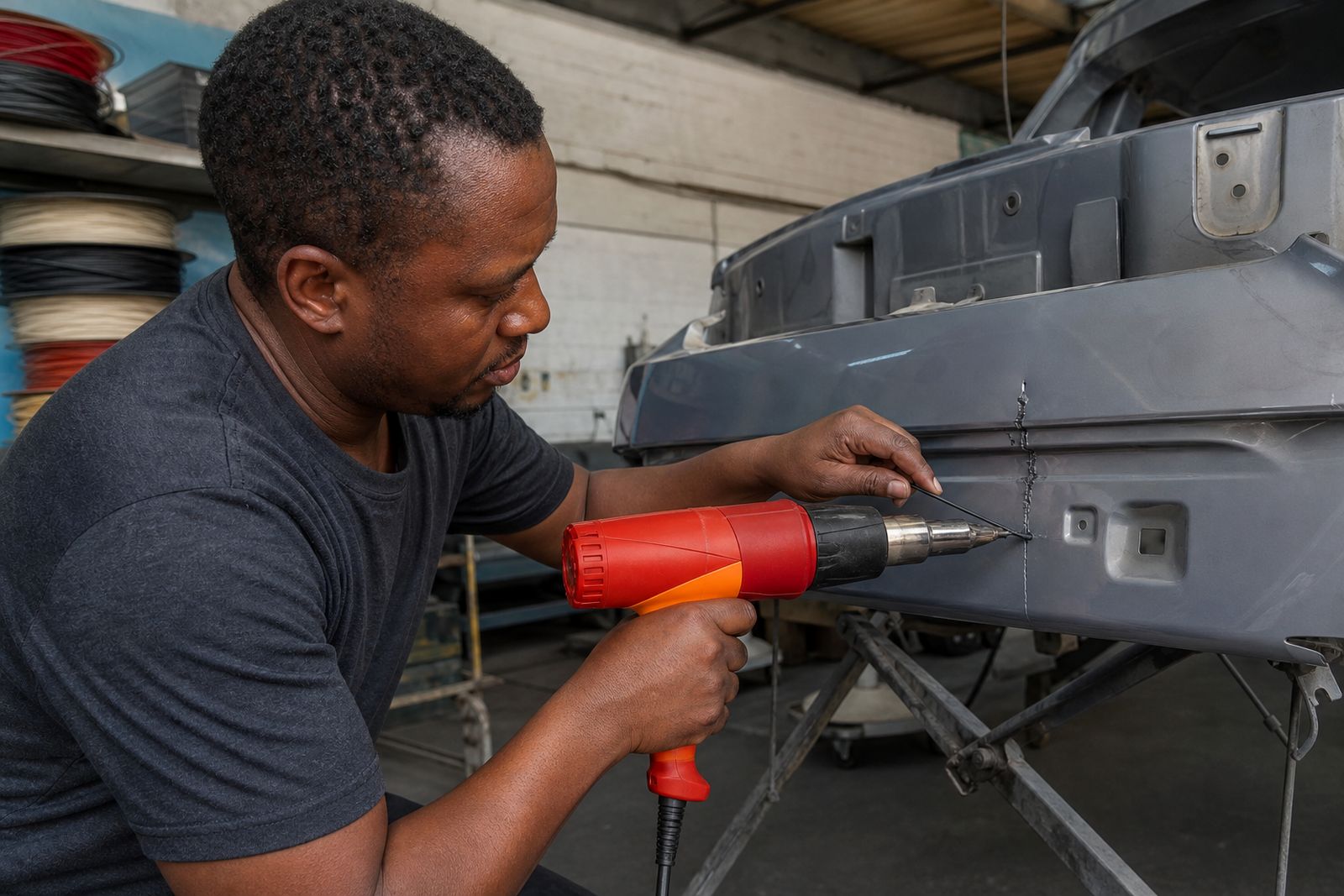
Tell us about the job
Send sizes, materials and where you are through our contact form, and we will come back with the practical options.
Open the contact form