Bumper, PP/EPDM and ABS rods
These rods are used where standard PP or PE rod is not the right match for the plastic in front of you. They suit common repair work on vehicle bumpers, trim pieces, housings and selected moulded parts where material identification matters.
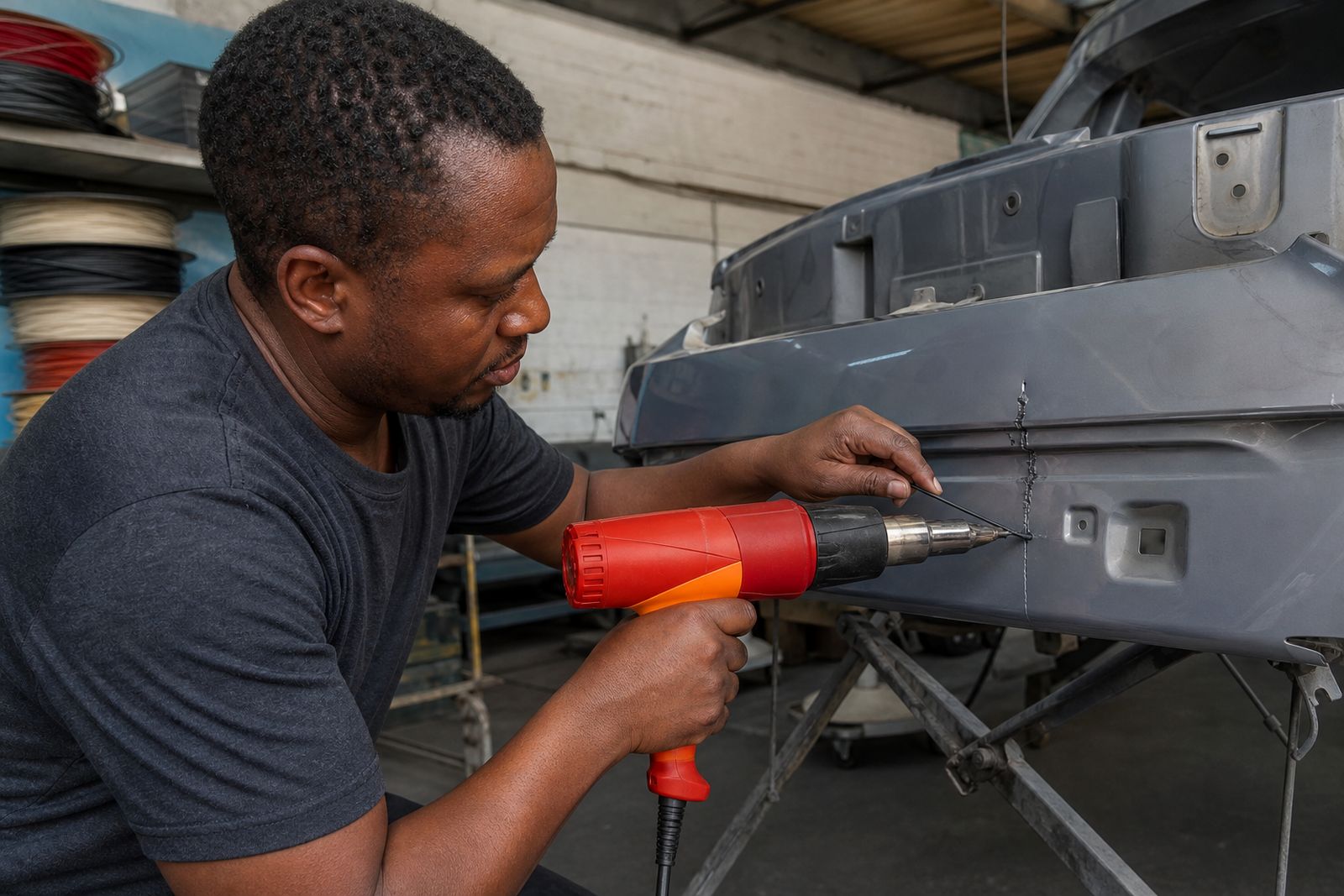
Rods for bumper plastics and ABS parts
Bumper, PP/EPDM and ABS rods are selected for plastic parts that need a closer material match than a general-purpose rod can give. In panel shops this often means bumper skins, tabs, brackets and textured outer sections. In workshops it can mean covers, guards, housings and interior mouldings. Using the right rod helps the weld key properly into the parent plastic instead of sitting on top and failing when the part flexes.
We help customers work out whether the part is likely to be PP, PP with rubber content, or ABS before choosing a rod profile. That matters because a bumper that bends in service needs a different approach from a rigid ABS housing. If the part marking is still visible, send that marking with your enquiry, it saves a lot of guesswork.
Profiles, sizes and practical limits
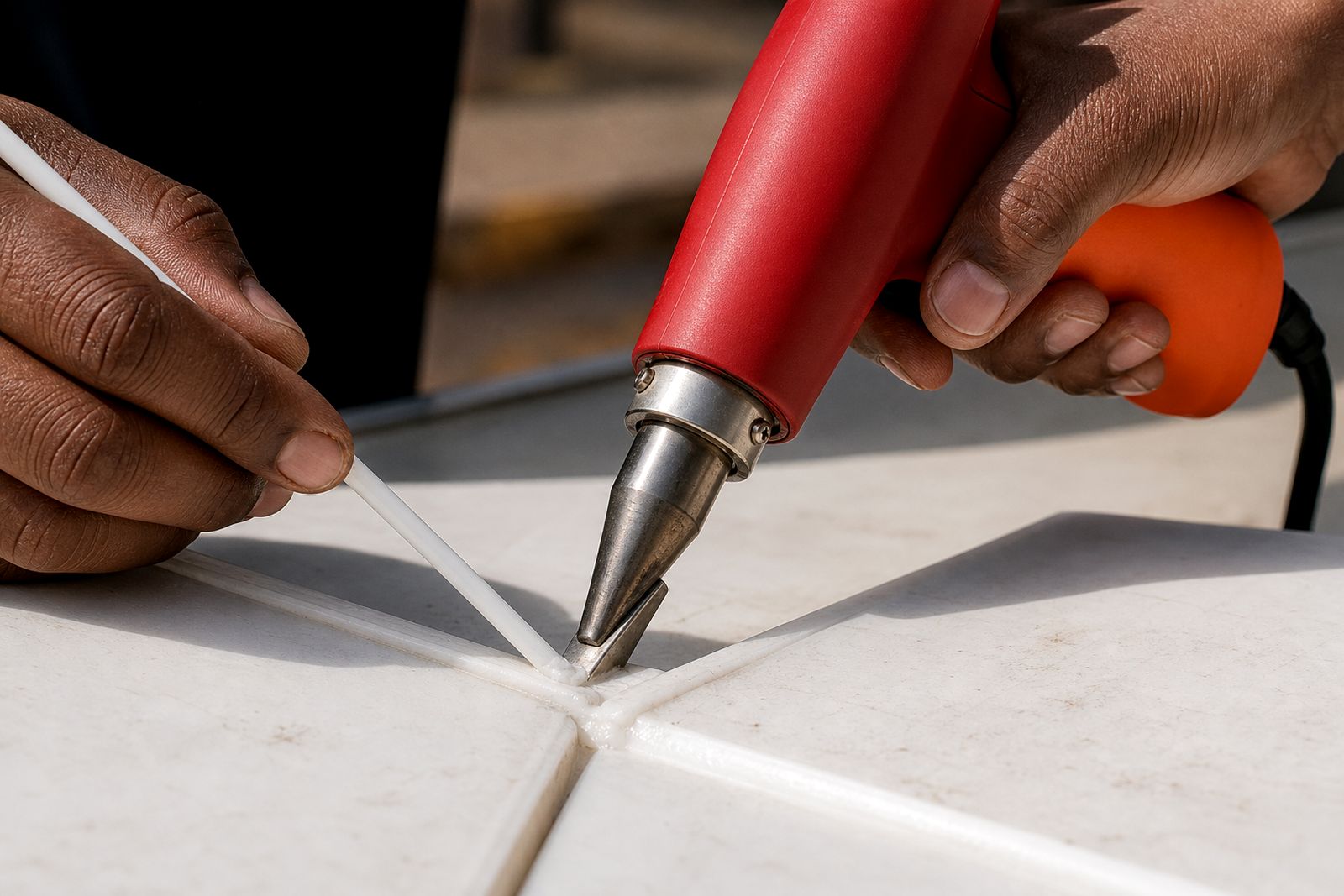
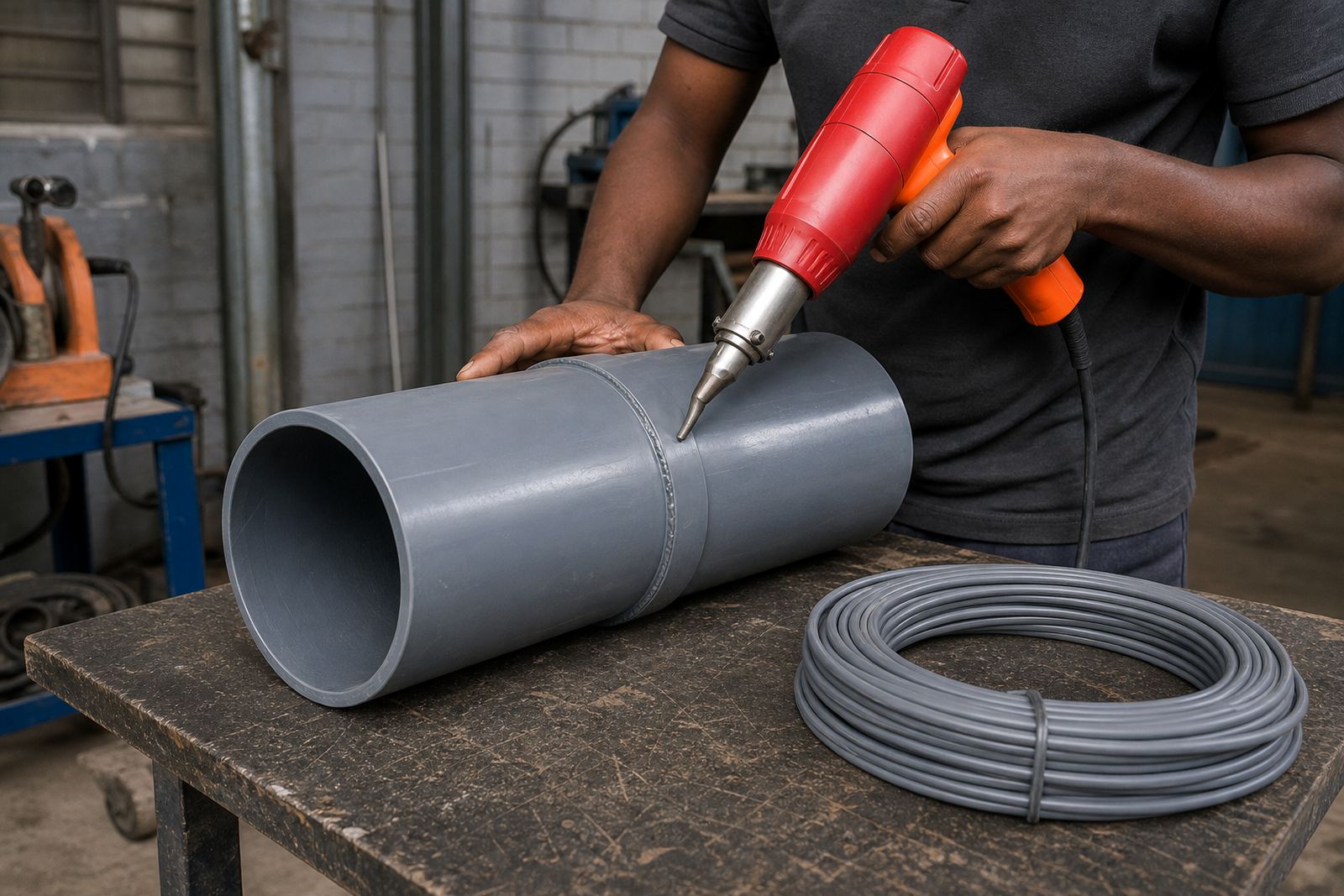
These rods are supplied in common workshop profiles for hand welding with a hot-air gun. Profile choice affects bead control and how neatly you can feed the joint, especially on corners, tabs and narrow repairs.
- PP/EPDM bumper rod for flexible bumper repairs and tabs where the moulding carries a PP/EPDM marking.
- ABS rod for rigid housings, trim pieces and moulded parts that need a stiffer finished weld.
- Round rod for general bead laying and local reinforcement where the groove shape allows easy feed.
- Triangular rod for V-grooved seams where you want the filler to sit down into the prepared joint.
Working limits still apply. A welding rod cannot correct a badly contaminated crack, burnt plastic, missing sections with no backing support, or a part that has gone chalky and brittle from age and sun. Very thin decorative trim can distort if too much heat is held in one spot. Some painted bumper covers also need the coating removed back to clean base plastic before a sound weld can start, otherwise the bond is poor and the repair will crack later.
Where these rods suit the job
The best results come from repairs where the base plastic is known or can be identified with reasonable confidence. Vehicle plastics are rarely all the same across one assembly, so the tab, outer skin and grille insert may not share the same filler rod.
- Cracked bumper corners and splits along the lower edge.
- Broken mounting tabs with mesh reinforcement on the rear where needed.
- ABS covers, shrouds and equipment housings.
- Plastic brackets and interior panels that need a neat controlled bead.
- Workshop repairs on moulded parts before sanding and further finishing.
They are not the right choice for polyethylene tanks, polypropylene crates, PVC ducting or large sheet fabrication. For those jobs use the rod that matches that plastic family. We also do not recommend these rods as a catch-all for unknown plastics. If the item has no marking and the fracture surface gives mixed signs, send clear photos and describe what the part came off. That usually narrows it down enough to avoid ordering the wrong filler.
Hot-air setup and site needs
These rods are used with a hand-held hot-air welding gun and the correct nozzle for the rod profile and repair style. For bumper tabs and finer ABS work, operators often need a steadier, narrower heat pattern than they would use on larger tank or bin repairs. Clean prep is a big part of the result. Remove paint, grease, road film and loose fibres from the groove area before welding.
Workshop conditions matter more than many people expect. A cold part takes heat differently from one that has been standing in a warm bay, and draughts can cool the weld line while you work. Keep the part supported so the crack sits naturally. If the plastic is forced into position during welding the joint may pull open once it cools, which is a common problem on bumpers.
- Use a clean V-groove on the face or rear depending on the repair method.
- Tack first so the crack is aligned before laying the main bead.
- Use reinforcing mesh only where the repair design calls for it, not as a substitute for correct rod choice.
- Trim and finish the weld after full cooling rather than while the bead is still soft.
Handling, storage and workshop care
Keep rods clean, dry and sorted by type. Mixing bumper rod and ABS rod in the same open bin creates confusion later and can ruin a repair when the wrong stick gets picked up in a rush. Store them flat or in labelled bundles away from grinding dust, oil mist and direct sun through a workshop window.
Hot-air welding relies on a clean rod surface and a clean parent plastic. If a length has picked up dirt from the floor or a shelf edge, wipe it before use. Do not try to weld through silicone dressings, polish residue or adhesive left from trim tape. Those contaminants show up as weak spots and pinholes. A little extra prep saves a rework, even on a small tab repair.
What to send with your enquiry
When you ask about bumper, PP/EPDM or ABS rods, give us enough detail to match the rod and profile to the work. A photo of the plastic marking is especially useful. If there is no marking, clear pictures of the part front and back help us guide you to the nearest fit.
- Plastic marking from the part, such as PP, PP/EPDM or ABS.
- What the part is from, for example bumper cover, trim panel or equipment housing.
- Whether the repair is a crack, split, tab, hole or missing section.
- Preferred rod profile if you already use round or triangular filler.
- Whether you need rods only, or a gun, nozzle, mesh and scraper as well.
- If the work is new to you, note whether you also want training or a starter kit.
Use our contact form with those details and we can point you to the closest match for the plastic you are repairing. We do not carry out the repair work for the public, but we do supply the rods, hot-air tools and practical guidance needed for workshop use.
What our Plastic Welding customers say
Verified Google reviews
Questions we get asked
Can I use ABS rod on a bumper if it is the only rod I have?
Only if the bumper plastic is actually ABS, which is less common than PP-based bumper materials. Using ABS rod on a PP or PP/EPDM bumper usually gives a weak repair that cracks when the panel flexes.
How do I tell whether I need PP/EPDM or plain PP rod?
Check the moulded material marking on the part first. If it shows PP/EPDM, use that rod type. If the part marking is unclear, send photos and the marking through our contact form so we can help narrow it down.
Do these rods work for missing tabs and broken mounts?
Yes, in many cases they are used for tab and mount repairs, often with rear-side reinforcement where the design needs it. The result depends on correct plastic identification, clean preparation and proper heat control during welding.
Tell us about the job
Send sizes, materials and where you are through our contact form, and we will come back with the practical options.
Open the contact form