How to identify the plastic
Plastic welding starts with matching the rod to the base material. This guide covers the checks that workshop staff and DIY users can use to sort common plastics before any heat goes on the job.
Start with the marks already on the part
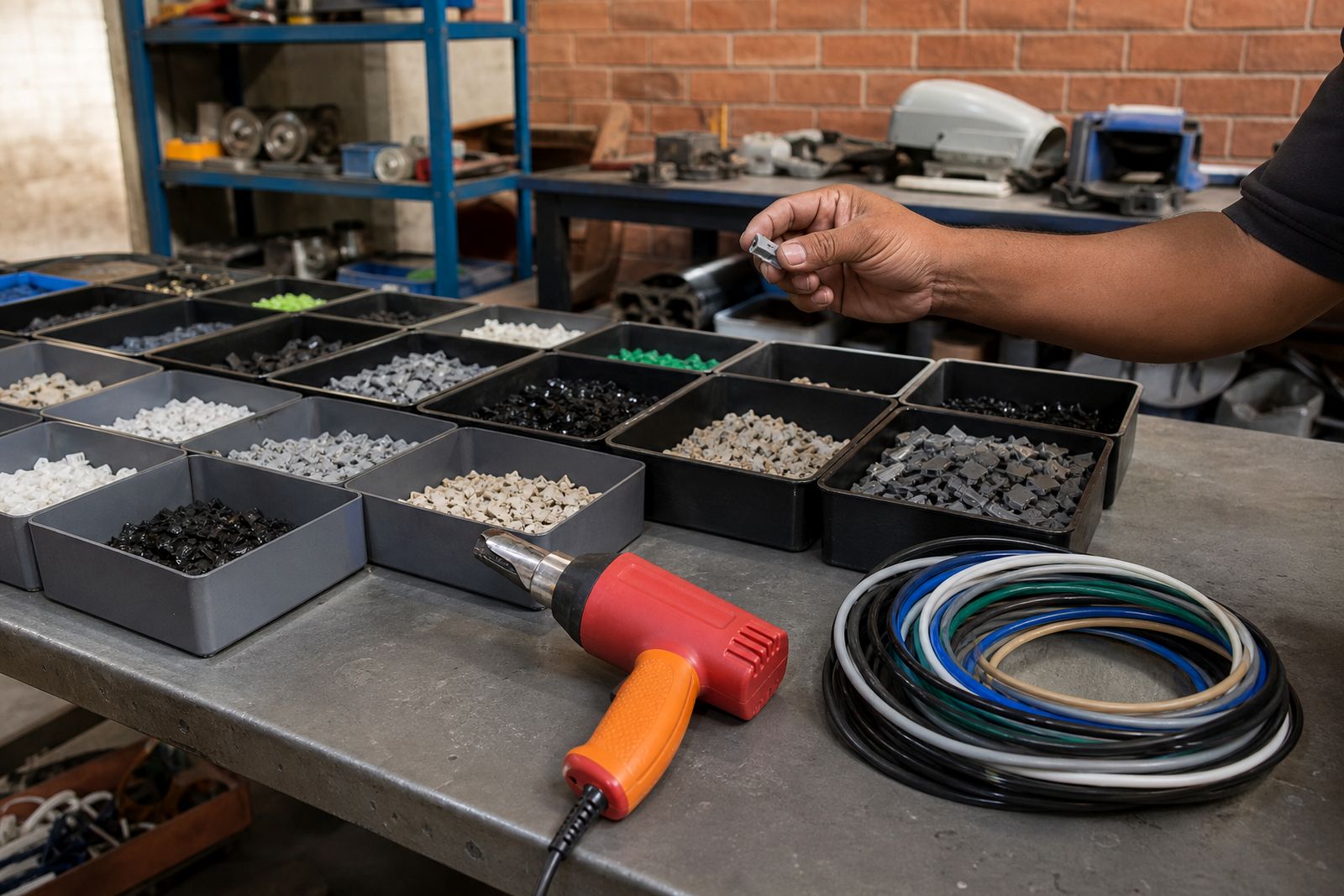
The quickest clue is often moulded into the item itself. Turn the part over, look inside a corner, or check the underside near ribs, clips or mounting tabs for a material mark. On tanks, crates and moulded covers the marking is sometimes small and dusty, so wipe the area clean before you decide there is nothing there.
Common marks include PP, PE, HDPE, LDPE, ABS and PVC. Automotive trim and bumper pieces may also show blends such as PP/EPDM, which matters because a plain rod can leave a weak repair on a flexible panel. Recycling triangles can help, but the letter code is usually more useful than the number on its own.
- PP usually points to polypropylene.
- PE or HDPE usually points to polyethylene.
- ABS is often used on rigid housings and interior components.
- PVC is common on some sheet, pipe and duct items.
- PP/EPDM is often found on bumper skins and flexible exterior parts.
If there is no mark, do not guess from colour. Black, grey and natural plastic can each appear in several resin types, and filled plastics can look the same to an untrained eye.
Use the part’s job and feel as clues
Once the visible marks are checked, think about what the item is meant to do. Polyethylene and polypropylene are often used where impact resistance, chemical resistance or a bit of flex is needed. ABS is more rigid and machines cleanly. PVC can feel harder and is used where shape retention and certain chemical duties matter.
Flex the damaged offcut lightly if you have one. Tap it with a fingernail, scrape a hidden edge with a blade, and note whether the shaving curls or powders. None of these checks proves the resin on its own, but together they narrow things down quite a lot.
- Crates, bins and many tanks are commonly PE or PP.
- Bumper skins are often PP blends rather than plain ABS.
- Rigid covers and appliance style housings are often ABS.
- Pipe and fabricated duct sections may be PVC or PE depending on duty.
Age, sun exposure and repainting can mask the original surface feel, so use these clues together with at least one physical test before selecting rod.
A float test can separate the lighter plastics
A basic float test is useful when there is no clear marking and you can spare a tiny clean sample from a hidden area. Put plain water in a container deep enough for the sample to move freely. Drop in the piece and watch whether it floats, sits just below the surface, or sinks.
PP and PE are both low-density plastics and will usually float in water. ABS and PVC will usually sink. This does not tell you whether a floating sample is PP or PE, but it helps you avoid choosing ABS or PVC rod for a polyolefin part.
Keep the sample free of paint, filler, clips and foam backing. A contaminated piece can give a false result, and a sample that traps an air bubble can fool you as well.
- Cut the sample from clean base plastic, not from a painted lip.
- Use a small piece with no metal staples, dirt or adhesive.
- Repeat the test if the sample hangs between floating and sinking.
- Record the result before moving on to the next check.
Do a controlled burn check only with proper care
A burn test can help confirm a likely material, but it must be done carefully in a ventilated workshop area with the right safety gear. You only need a tiny sliver of plastic held with pliers. Watch how it softens, whether it drips, the colour of the flame, the smoke level and the smell once the flame is removed.
PP and PE tend to soften and drip with a waxy smell. ABS often gives darker smoke and a sharper styrene-type odour. PVC needs extra caution because heating it can release irritating fumes, so if you suspect PVC keep the sample very small and do not stand over it breathing the smoke. If there is any uncertainty, stop there and use a different identification method.
Burn checks are comparison tests, not something to rush through. The value comes from building a pattern from several observations, not from one dramatic sign. In many panel shops, a quick mark check plus a float test is enough and the burn check is only used when the sample remains doubtful.
Match the rod profile and resin to the repair
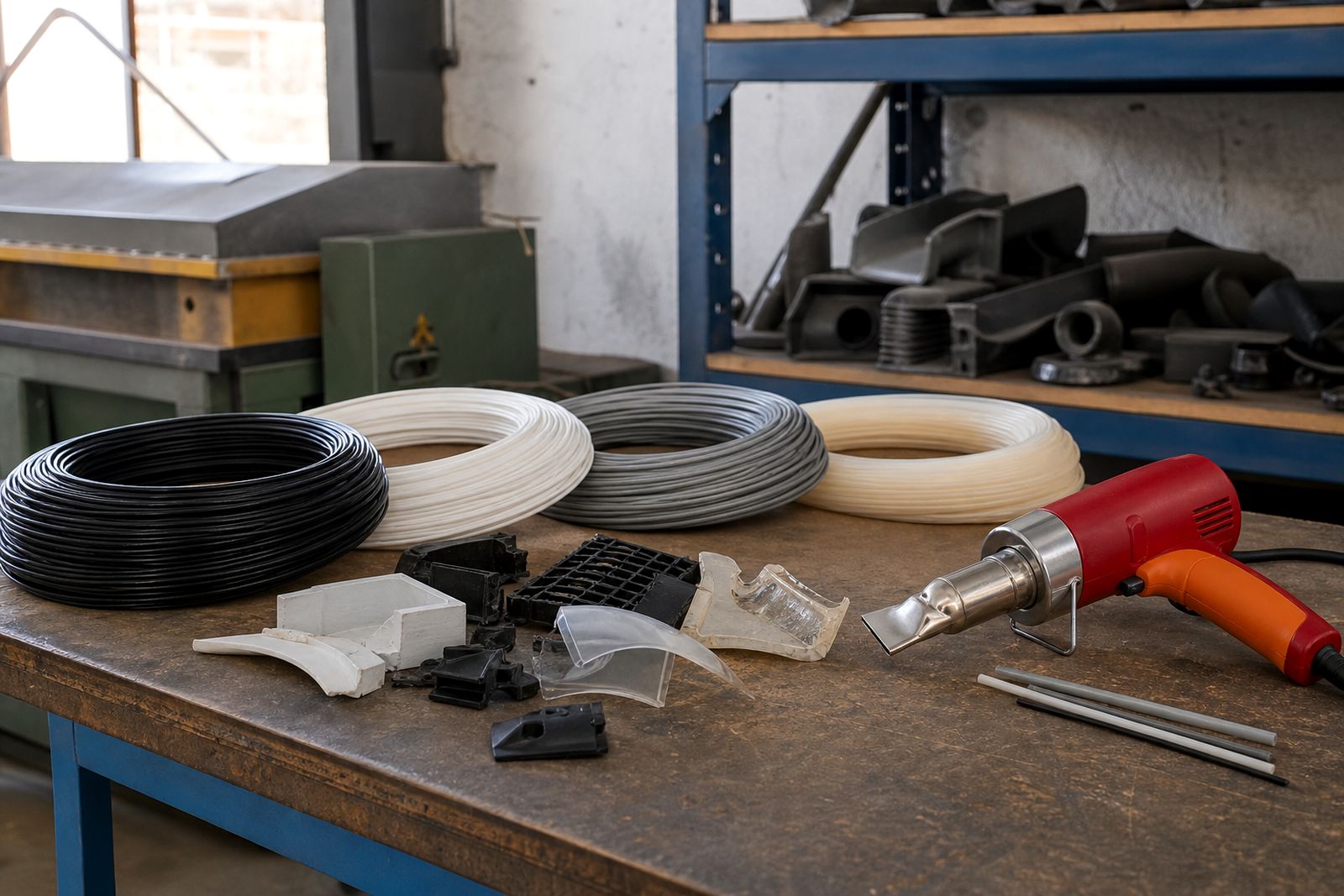
Once the plastic family is identified, choose a rod that matches both the resin and the kind of joint you are making. Round rod is commonly used for general repairs, while triangular rod can suit vee-grooved seams. On bumper work, a PP/EPDM rod is often the better choice where the panel needs to flex without a brittle line forming across the repair.
For tanks, crates and fabricated parts, the most common workshop choices are PP, PE and HDPE rods depending on the base material. ABS rods suit rigid components where a neat ground finish is needed. PVC rods are used on compatible pipe or fabricated sheet, but only after the material is confirmed properly.
- Match resin first, profile second.
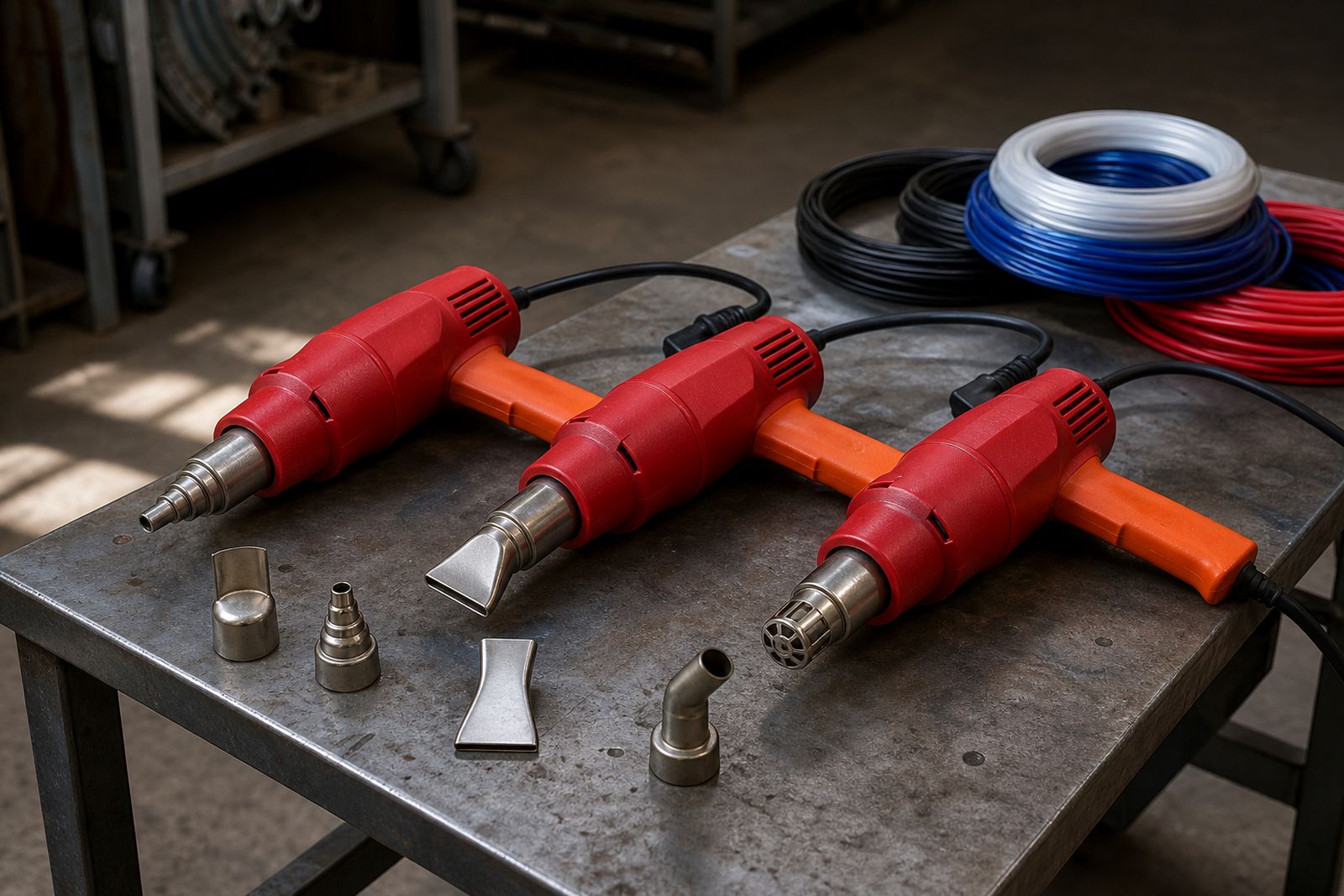
- Use a compatible speed or tacking nozzle for the rod size.
- Test on a scrap piece if the part is valuable or awkward to replace.
- Do not mix rods because they look similar in the hand.
If the repair area contains a mesh reinforcement, old filler, paint or contamination, clean it back before welding. A perfect rod choice will still fail if the joint is dirty or the parent plastic has been left glossy and closed over.
A quick checklist before heat goes on
Good plastic identification saves time, rods and frustration. It also reduces the chance of making the crack worse with the wrong filler. Before you switch on the hot-air gun, run through a short check and make sure the part and rod choice agree with what you have seen.
- Look for moulded material marks on both halves of the part.
- Check whether the item’s use points toward PP, PE, ABS or PVC.
- Test a clean offcut in water if the mark is missing.
- Use a careful burn check only when needed and only with proper ventilation.
- Choose rod resin to match the base plastic, not the colour.
- Pick round or triangular rod to suit the groove and repair style.
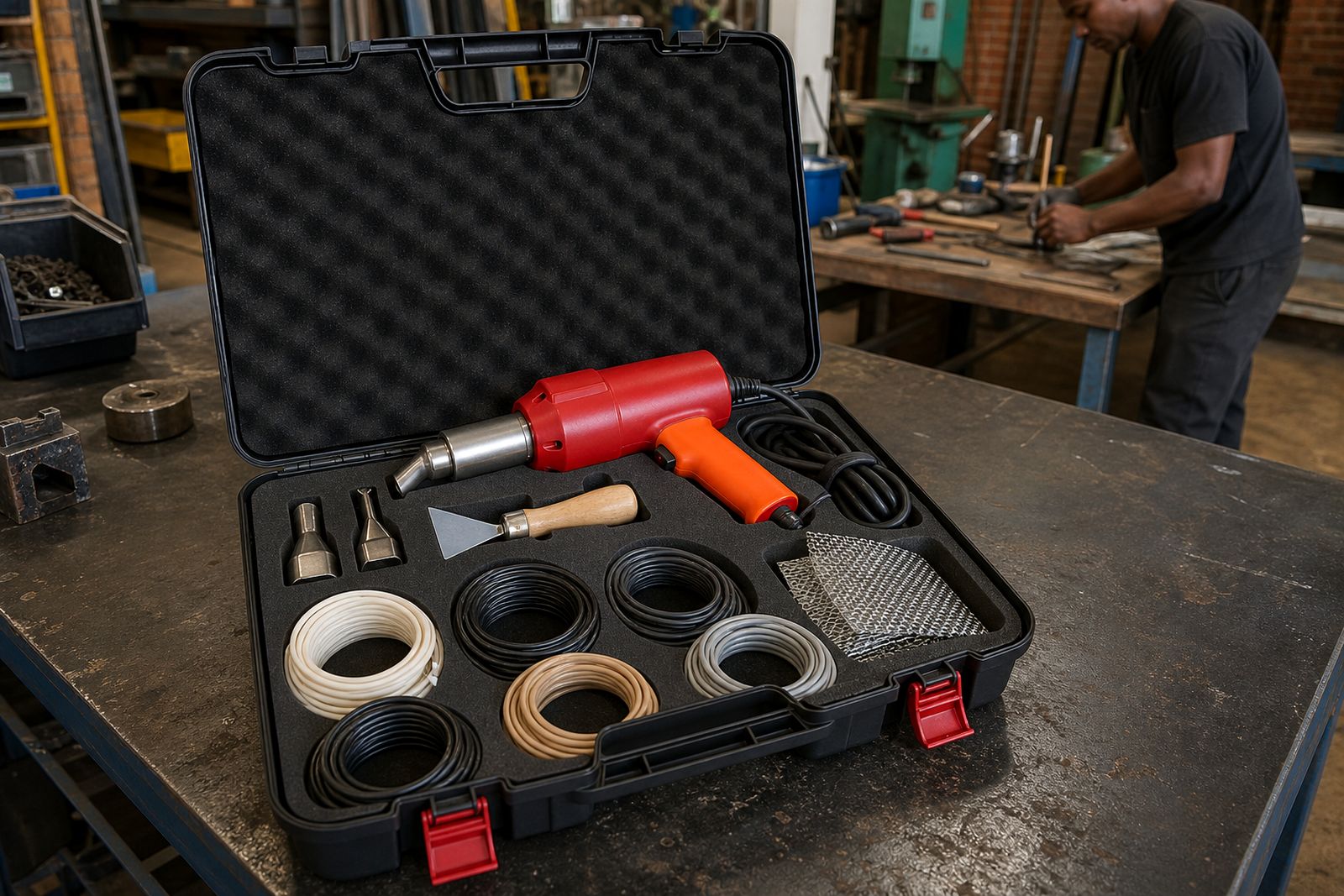
When the marking is unclear, send clear photos of the part, the damage and any resin code through our contact form. We can help you narrow down the plastic and point you to a suitable rod or starter kit, but we do not take in public repair jobs at the Germiston shop.
What our Plastic Welding customers say
Verified Google reviews
Questions we get asked
Can I weld plastic if I only know the recycling number?
Sometimes, but not always. The letter code such as PP, PE, ABS or PVC is more useful than the number by itself, and a float or burn check can help confirm it.
Do PP and PE use the same welding rod?
They are close in feel and both often float, but they are not the same material. For a dependable weld, match the rod to the specific base plastic rather than treating them as interchangeable.
Is a burn test always necessary?
No. Many parts can be identified from moulded markings, the item’s application and a simple float test. A burn check is best kept for uncertain cases and must be done with care.
Also worth a look
Tell us about the job
Send sizes, materials and where you are through our contact form, and we will come back with the practical options.
Open the contact form